
AI Agents vs Automations: Pick the Boring One First
Explore the differences between AI agents and automation, and learn why starting with automation can enhance your workflows efficiently.
August 21, 2026
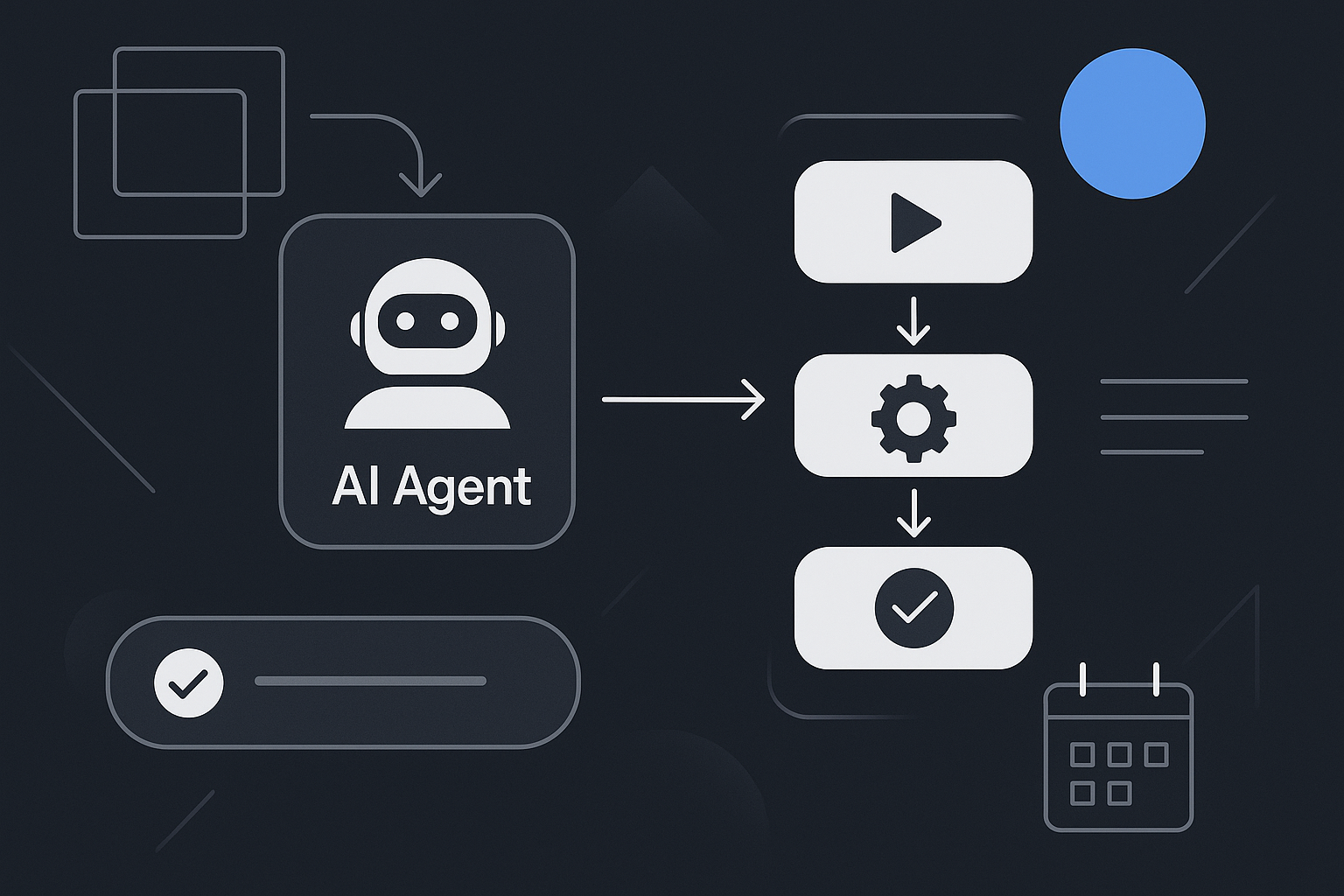
AI Agents vs Automations: Pick the Boring One First
In the ever-evolving landscape of software and AI tools, the terms AI agents and automation are often tossed around interchangeably. However, they represent distinct methodologies for improving workflows. As someone who has navigated the tools, processes, and countless productivity hacks, I want to share insights that can help you—founders, builders, and learners—decide where to focus your efforts first.
Understanding the Basics
Before diving into the nuances, let's clarify what we mean by AI agents and automations.
What Are AI Agents?
AI agents are intelligent systems designed to perform tasks that typically require human decision-making. They can learn from data, adapt to changes, and even interact with users in a conversational manner. Some characteristics include:
- Adaptability: AI agents can improve their performance over time.
- Decision-making: They can analyze situations and make judgments based on learned experiences.
- User Interaction: Many AI agents can communicate with users through natural language.
What Are Automations?
On the other hand, automation refers to the use of technology to perform tasks without human intervention. Think of it as setting up a series of rules for your software tools to follow. Key traits include:
- Simplicity: Automations are generally straightforward, often involving repetitive tasks.
- Reliability: Once set up, automations can run consistently without fail.
- Efficiency: Automating tasks reduces the time spent on mundane activities.
Why You Should Start with Automation
As tempting as it might be to dive into the world of AI agents, I recommend starting with automations for several reasons:
1. Clarity and Simplicity
Automations are easier to understand and implement. For instance, if you want to automate email responses or data entry tasks, you can quickly see the benefits without needing to understand complex algorithms or machine learning.
2. Immediate ROI
Automations often yield immediate results. You set them up, and instantly, you can free up time for more critical tasks. Founders, especially, appreciate quick wins that can help them validate their ideas and products faster.
3. Foundation for AI Agents
Once you've mastered automations, you’ll have a solid base to explore AI agents. Automations help streamline your workflows, which can be enhanced further with the intelligence of AI agents.
Practical Applications of Automation
To give you a clearer picture, let’s look at some practical applications:
- Email Marketing: Automate your email campaigns with tools like Mailchimp or HubSpot.
- Data Entry: Use tools like Zapier to connect your apps and automate data flow.
- Social Media Posting: Schedule posts in advance using tools like Buffer or Hootsuite.
- Customer Support: Implement chatbots for basic inquiries, freeing your team for more complex issues.
Transitioning to AI Agents
Once you have established a strong foundation with automation, it’s time to consider AI agents. Here’s how you can transition:
1. Identify Areas for Improvement
Look for tasks that require decision-making or personalization. These are prime candidates for AI agents. For example, if you're dealing with customer queries, an AI agent can provide tailored responses based on past interactions.
2. Start Small
Implement AI agents in a limited capacity. This allows you to test their effectiveness without overwhelming your existing systems. Use platforms like Dialogflow or IBM Watson to develop simple agents.
3. Measure and Iterate
Monitor the performance of your AI agents to see if they are truly adding value. This iterative approach will help you understand what works and what needs improvement.
Checklist for Getting Started
Here’s a quick checklist to help you get started:
- [ ] Identify repetitive tasks for automation
- [ ] Choose an automation tool (e.g., Zapier, Integromat)
- [ ] Set up your first automation workflow
- [ ] Monitor the effectiveness of your automation
- [ ] Research AI agents that can enhance those workflows
Conclusion
In a world increasingly dominated by technology, choosing the right tool for your needs is crucial. While both AI agents and automation can significantly enhance your workflows, starting with automation is a practical choice. It offers immediate benefits and lays the groundwork for more complex AI-driven solutions down the line.
By prioritizing boring, repetitive tasks first, you can free up valuable time and resources, allowing you to focus on your core business goals. If you're looking for more insights into software and AI tools, feel free to explore our blog or check out our FAQ.
Remember, the goal is to create a more productive and efficient workflow—one step at a time.
Related
- what is rag ai: Understanding RAG AI: A Fresh Perspective on AI Integr
what is rag ai — Explore what RAG AI is and how it enhances AI applications with retrieval capabilities for more accurate responses.
- AI Agents Explained: Understanding Their Role and Applications
Explore the concept of AI agents explained, their types, applications, and essential considerations for builders and founders.
- Why Fine-Tuning Is Usually the Wrong First Move in AI Development
Discover why fine-tuning is often the wrong first move in AI development and explore better alternatives.