
Building Multi-Tenant SaaS Without Overengineering
Learn how to build a multi-tenant SaaS application without overengineering. Practical tips for founders and builders.
August 21, 2026
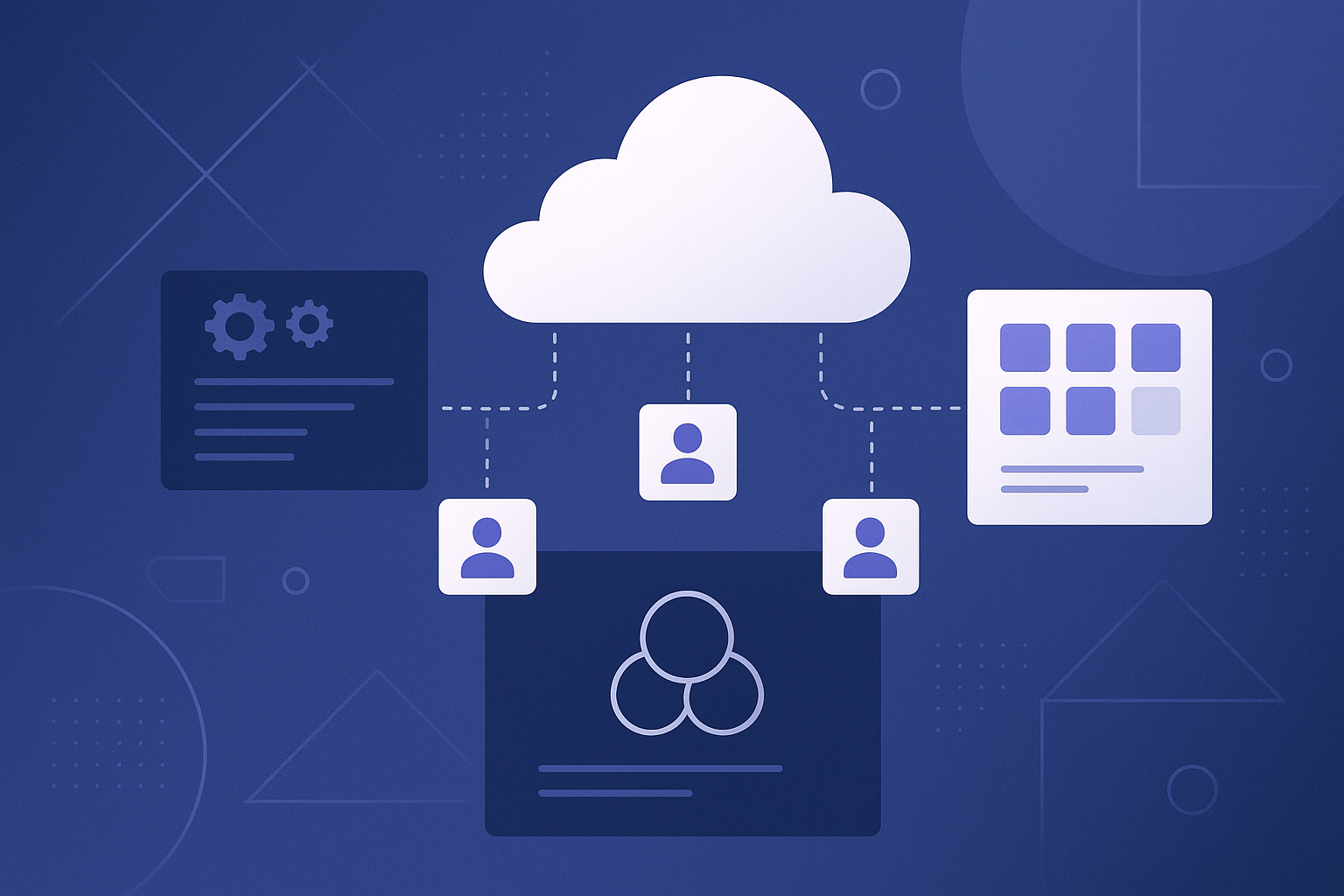
Introduction to Multi-Tenant SaaS
Building a multi-tenant SaaS (Software as a Service) application can be a daunting task, especially if you feel the pressure to overengineer your solution. I've been in the trenches, and I want to share how you can create a robust and scalable multi-tenant architecture without unnecessary complexity.
What is Multi-Tenant Architecture?
In essence, a multi-tenant architecture means that a single instance of your software serves multiple clients (tenants). Each tenant's data is isolated and remains invisible to others, while they share the same underlying infrastructure. This approach can save costs and streamline updates, but it also requires careful planning.
Why Choose Multi-Tenancy?
- Cost Efficiency: You can serve multiple customers with one application instance, which can significantly reduce operational costs.
- Easier Maintenance: Updates and patches can be applied once to the central codebase, benefiting all tenants simultaneously.
- Scalability: You can add new tenants with minimal overhead, making it easier to grow your customer base.
Key Considerations for Multi-Tenant Design
When embarking on the journey of building a multi-tenant SaaS, there are several critical factors to consider:
1. Data Isolation
Ensuring data isolation is paramount. Here are some approaches:
- Database-per-tenant: Each tenant has its own database. This is the most isolated approach but can lead to higher costs and complexity.
- Schema-per-tenant: Each tenant's data resides in a separate schema within a single database. This balances isolation and resource sharing.
- Row-level security: All tenants share the same tables, and each query automatically filters results based on tenant ID. This is the most cost-effective but requires strong security measures.
2. Customization
Tenants may require different functionalities or settings. You should consider:
- Feature flags: Use flags to enable or disable features for specific tenants.
- Configuration tables: Store tenant-specific configurations in your database to allow for customization without code changes.
3. Performance
Performance can vary based on the number of tenants. Some strategies include:
- Load balancing: Distribute tenant requests evenly across your servers.
- Caching: Implement caching strategies to reduce load times and improve user experience.
- Monitoring: Regularly monitor performance metrics and adjust resources accordingly.
Avoiding Overengineering
It's easy to get caught up in the complexity of building a multi-tenant SaaS. Here are some practical tips to keep your solution simple:
1. Start Small
Begin with a minimum viable product (MVP). Focus on core functionalities that serve your initial customers. You can iterate and expand features based on user feedback.
2. Use Existing Solutions
Take advantage of existing tools and frameworks. For example, consider using cloud services that offer multi-tenant capabilities out of the box (like AWS or Azure). This can save you from reinventing the wheel.
3. Focus on Core Features
Avoid feature bloat. Concentrate on what truly matters to your tenants. Keep the user interface clean and intuitive.
Checklist for Building Multi-Tenant SaaS
- [ ] Define your data isolation strategy.
- [ ] Identify tenant-specific customization needs.
- [ ] Ensure performance optimization is in place.
- [ ] Start with an MVP and iterate based on feedback.
- [ ] Leverage existing frameworks and tools.
Conclusion
In conclusion, building a multi-tenant SaaS application doesn't have to be an overwhelming task. By focusing on core functionalities, leveraging existing solutions, and avoiding unnecessary complexity, you can create a solution that serves multiple tenants effectively. Remember to keep your users' needs at the forefront of your development process. If you want to dive deeper into the world of SaaS, check out more articles on LookManLook's blog. Feel free to reach out through our FAQ for specific questions or clarifications. Happy building!
Related
- Finding a Reliable Keyword Planner Free: Options for Builders
Explore reliable keyword planner free options for better SEO strategies. Discover tools like Google Keyword Planner and Ubersuggest.
- Effective Field Management Solutions for Small Teams
Explore effective field management solutions to enhance productivity and streamline operations for small teams in various industries.
- Field Service Management Solutions: Driving Efficiency in Operations
Explore effective field service management solutions to enhance operational efficiency and customer satisfaction.