
From Repair Shops to Software: Lessons Crossing Worlds
Explore lessons learned from repair shops that apply to software development, emphasizing problem-solving, customer feedback, and community building.
August 21, 2026
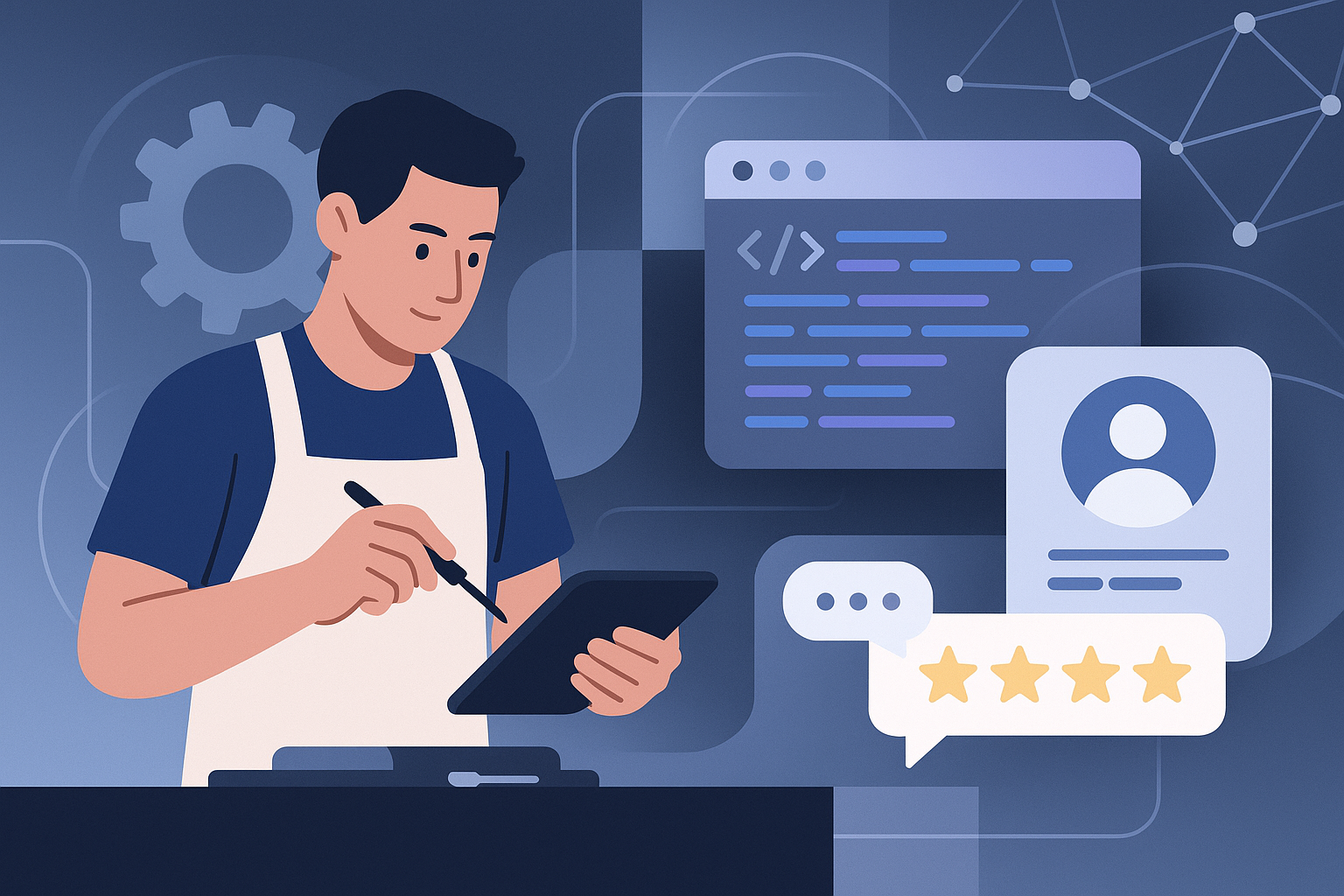
From Repair Shops to Software: Lessons Crossing Worlds
Transitioning from a hands-on repair shop environment to the digital realm of software and AI can seem daunting. However, the core principles of problem-solving, customer service, and adaptability remain the same. In this post, I’ll share my journey and insights that can help fellow founders, builders, and those eager to learn about software and AI tools.
Understanding the Operator Founder Mindset
As an operator founder, you are often the person who gets your hands dirty. You dive into problems, fix them, and understand your customers intimately. This mindset is crucial in both repair shops and software development. Here are key aspects of the operator founder mentality:
- Problem-Solving Orientation: Just like diagnosing a malfunctioning device, troubleshooting software requires a keen eye for detail.
- Customer-Centric Approach: Knowing what your customers need or what issues they face helps shape your product or service.
- Iterative Learning: Each failure is a lesson, whether in repairs or software development. Learning from these failures fosters growth.
Key Lessons from Repair Shops to Software Development
1. Emphasize Customer Feedback
In repair shops, customer feedback is essential. Understanding what went wrong with a device helps you fix it and improves future service. This principle translates directly to software development.
- Conduct User Interviews: Talk to your users about their pain points.
- Gather Feedback Regularly: Use surveys or feedback forms to collect insights.
- Iterate Based on Feedback: Make changes based on what you learn, just as you would adjust your repair methods following customer input.
2. Develop a Structured Problem-Solving Process
Repair shops often rely on systematic approaches to diagnose issues. Similarly, software development benefits from structured processes:
- Identify the Problem: Clearly define what the issue is before attempting to solve it.
- Analyze Potential Solutions: Consider various approaches and their implications.
- Implement and Test: Roll out solutions in a controlled manner and gather data on their effectiveness.
3. Build a Community Around Your Work
In the world of repair shops, community is vital. Customers often return not just for services but for the relationships established. In software, building a community can enhance user loyalty:
- Create Forums or Discussion Groups: Encourage users to share their experiences and solutions.
- Offer Support Resources: Provide tutorials, FAQs, and customer service to help users navigate challenges.
- Engage on Social Media: Use platforms to connect with your audience and gather insights.
Transitioning Skills: From Tools to Code
1. Leverage Your Existing Skills
Many skills from operating a repair shop are transferable to software development:
- Technical Skills: Hands-on experience with tools can help in understanding software tools and coding languages.
- Attention to Detail: Precision is crucial in both fields.
- Time Management: Balancing multiple repairs or projects is akin to juggling different software tasks.
2. Embrace Continuous Learning
The tech world is ever-evolving, and continuous learning is necessary. Consider these strategies:
- Online Courses: Platforms like Coursera or Udacity offer courses on software development and AI.
- Networking: Connect with other tech professionals to share knowledge and experiences.
- Experimentation: Engage in side projects or SaaS experiments to apply what you learn practically.
Checklist for Transitioning from Repair Shops to Software
- [ ] Identify transferable skills from your repair experience.
- [ ] Establish a system for gathering customer feedback.
- [ ] Create a problem-solving framework for your projects.
- [ ] Start building a community around your software product.
- [ ] Allocate time for continuous learning and experimentation.
Conclusion
The journey from repair shops to software development is filled with opportunities for growth. By applying the lessons learned in a hands-on environment, you can create software solutions that resonate with your audience. Remember, the operator founder mindset is your greatest asset. Embrace it, and you’ll be well on your way to success in the software realm.
For more insights and tools, check out LML Repair Shops and explore how hands-on experience can translate into effective software development!
Related
- Why Builders Should Embrace the Build in Public Philosophy
Explore the benefits and strategies of the build in public philosophy for builders and founders in the software and AI space.
- Effective Strategies for Newsletter Growth Among Technical Audiences
Learn effective strategies for growing a newsletter tailored to technical audiences in software and AI. Engage founders and builders authentically.
- Build in Public Without Turning Your Channel Into a Diary
Learn how to build in public effectively without oversharing personal details. Practical tips for founders and builders in software/AI.