
How to Use AI for Customer Support Without Sounding Robotic
Learn practical ways to use AI for customer support while maintaining a human touch. Avoid sounding robotic with these effective strategies.
August 21, 2026
Introduction
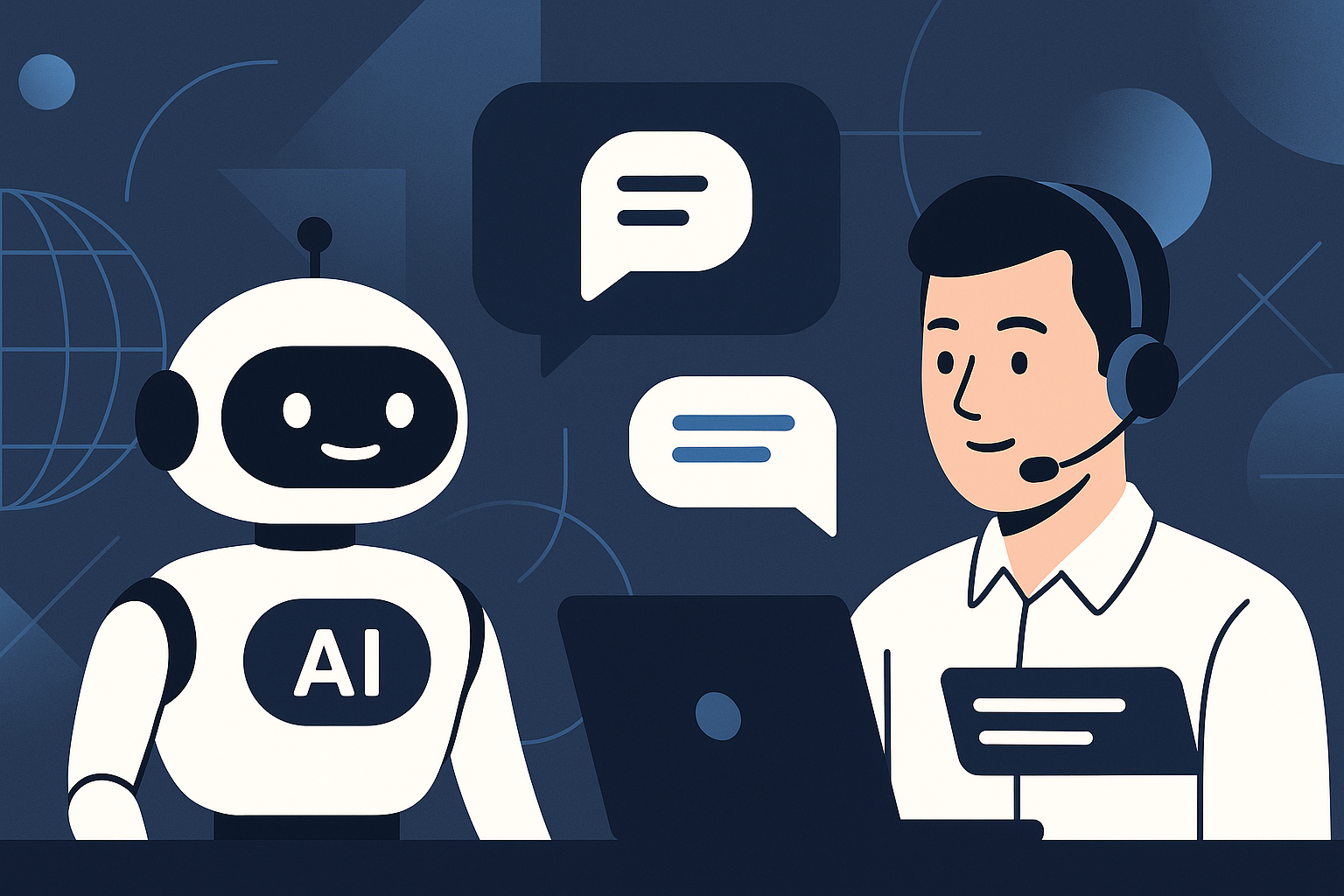
In the fast-paced world of customer service, AI has emerged as a powerful tool to enhance support interactions. However, one of the biggest challenges is ensuring that AI solutions, such as support bots, do not come across as robotic or impersonal. In this post, I’ll share practical insights on how to leverage AI for customer support while maintaining a human touch.
Understanding AI Customer Support
AI in customer support refers to the use of machine learning, natural language processing, and automated workflows to assist customers and support teams.
Benefits of AI Customer Support
- 24/7 Availability: AI can provide round-the-clock support, ensuring customers receive assistance anytime.
- Quick Responses: AI can instantly respond to common inquiries, significantly reducing wait times.
- Data Insights: AI can analyze customer interactions, providing valuable insights that can improve service.
The Challenge: Sounding Robotic
While AI offers numerous advantages, it often struggles to convey empathy and understanding. Here are some reasons why support bots can sound robotic:
- Lack of Personalization: Generic responses can make interactions feel impersonal.
- Rigid Scripts: Following strict scripts can hinder natural conversation flow.
- Limited Context Understanding: Bots may fail to grasp the nuances of customer queries.
Strategies to Make AI Customer Support More Human
To avoid sounding robotic, consider the following strategies:
1. Personalization
Personalize interactions by incorporating customer data into responses. Use their name and reference previous interactions. For instance:
- “Hi [Customer Name], I noticed you recently inquired about your order. How can I assist you today?”
2. Natural Language Processing (NLP)
Implement NLP capabilities to enable the bot to understand and respond more naturally. This allows for a conversational tone that feels less scripted.
3. Use Conversational AI
Conversational AI platforms can simulate human-like interactions. Train your AI model on diverse datasets to recognize various speech patterns and styles.
4. Empathetic Responses
Program your AI to recognize emotional cues and respond empathetically. For example, if a customer expresses frustration, the bot can respond with:
- “I understand that this situation is frustrating. Let’s work together to get this resolved.”
5. Continuous Learning
Ensure your AI system learns from each interaction. Utilize customer feedback to improve responses and adapt to changing customer needs.
Best Practices for Implementing AI Support Bots
When setting up AI customer support, keep these best practices in mind:
- Define Clear Use Cases: Determine what types of inquiries your AI will handle.
- Human Handoff: Ensure there is a seamless transition to a human agent if the AI cannot resolve an issue.
- Regular Updates: Update your AI’s knowledge base frequently to include new products, services, and policies.
- Monitor Performance: Track interactions to identify areas for improvement.
Tools and Platforms for AI Customer Support
Several tools can help you implement AI customer support effectively:
- Zendesk: Offers AI-driven chatbots and support ticketing.
- Intercom: Provides conversational support solutions that enhance customer engagement.
- Drift: Focuses on conversational marketing and sales through AI chatbots.
Checklist for Humanizing Your AI Support
- [ ] Personalize responses with customer names and history
- [ ] Implement NLP for natural language understanding
- [ ] Use conversational AI for dynamic interactions
- [ ] Train AI to respond empathetically
- [ ] Continuously gather feedback and improve
Conclusion
Using AI for customer support doesn't have to mean sacrificing the human touch. By focusing on personalization, empathetic responses, and continuous improvement, you can create a customer support experience that feels genuine and helpful. For more information on leveraging software and AI tools, check out LookManLook and our FAQ section.
Related
- what is rag ai: Understanding RAG AI: A Fresh Perspective on AI Integr
what is rag ai — Explore what RAG AI is and how it enhances AI applications with retrieval capabilities for more accurate responses.
- AI Agents Explained: Understanding Their Role and Applications
Explore the concept of AI agents explained, their types, applications, and essential considerations for builders and founders.
- Why Fine-Tuning Is Usually the Wrong First Move in AI Development
Discover why fine-tuning is often the wrong first move in AI development and explore better alternatives.