
Repair Shop Software vs Generic CRM: What Actually Matters
Explore the key differences between repair shop software and generic CRM to find the best fit for your business needs.
August 21, 2026
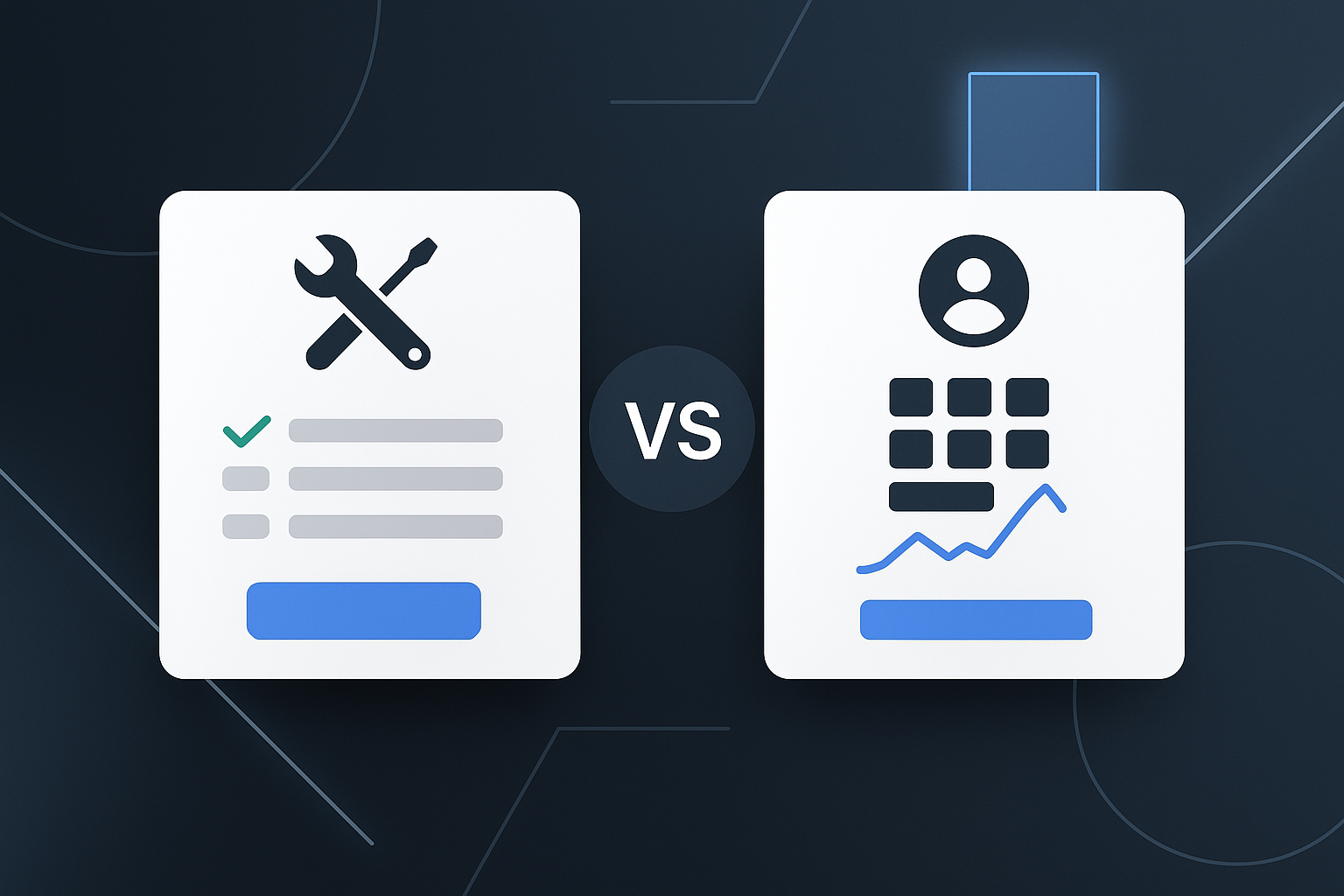
Repair Shop Software vs Generic CRM: What Actually Matters
In the world of managing a repair shop, choosing the right software can significantly impact your efficiency and customer satisfaction. As a founder or builder in this space, you may find yourself torn between specialized repair shop software and more generic Customer Relationship Management (CRM) tools. In this post, I’ll break down what each option entails and what actually matters for your business.
Understanding Repair Shop Software
Repair shop software is specifically designed to cater to the unique needs of repair businesses. This includes functionalities like:
- Job Management: Tracking repairs from start to finish.
- Inventory Control: Managing parts and stock levels efficiently.
- Customer Management: Maintaining detailed histories of customer interactions and preferences.
- Invoicing and Payments: Streamlining billing processes for services rendered.
Key Features of Repair Shop Software
- Custom Workflows: Tailored to the repair process, allowing for smoother operations.
- Integrated Communication Tools: Facilitate communication with customers for updates and notifications.
- Reporting and Analytics: Provide insights into sales, service types, and customer demographics.
- Mobile Accessibility: Many repair shop software solutions offer mobile apps, making it easier to manage operations on the go.
What is Generic CRM?
Generic CRM systems are designed to manage customer relationships across various industries. While they provide essential functionalities such as:
- Contact Management: Storing customer information and interaction history.
- Sales Tracking: Monitoring sales opportunities and pipelines.
- Email Marketing: Automating communication with customers.
They often lack the specific tools required for a repair shop environment.
Benefits of Using a CRM
- Versatility: Can be adapted for various business models and industries.
- Integration: Many CRMs can integrate with other software tools, providing flexibility.
- Scalability: Suitable for businesses of all sizes, from startups to large enterprises.
Comparing Repair Shop Software and Generic CRM
When deciding between repair shop software and a generic CRM, consider the following:
1. Industry-Specific Features
Repair shop software comes equipped with features tailored to the repair process, such as job tracking and inventory management. If your primary focus is repairs, this specialization is crucial.
2. Customization and Flexibility
While CRMs may offer broad functionalities, they often require extensive customization to meet the specific needs of a repair shop. This can lead to additional costs and complexity.
3. User Experience
Repair shop software is usually designed with the workflow of a repair shop in mind, which can lead to a more intuitive experience for your staff. A generic CRM may require more training to navigate effectively.
4. Cost Considerations
- Repair Shop Software: Generally comes at a higher upfront cost but offers features that can save money in the long run.
- Generic CRM: Often has lower initial costs but may lead to hidden expenses due to required customizations.
Real-World Scenarios
Case Study: A Small Repair Shop
Imagine a small repair shop using generic CRM. They struggle with tracking job progress and managing inventory, leading to delays in service. Transitioning to specialized repair shop software streamlined their workflow, improved customer communication, and ultimately increased customer satisfaction.
Case Study: A Growing Business
Conversely, a growing business may start with a generic CRM to manage customer relationships across multiple services. As they expand their repair operations, they may find it beneficial to adopt dedicated repair shop software to enhance efficiency and accuracy.
Checklist for Choosing the Right Software
- Identify Your Needs: What are the unique requirements of your repair shop?
- Evaluate Features: Compare functionalities of both options.
- Consider Scalability: Will the software grow with your business?
- Check Integration Options: Can it work with other tools you’re using?
- Review Costs: Analyze both initial costs and long-term investments.
Conclusion
Choosing between repair shop software and a generic CRM isn't a one-size-fits-all decision. It boils down to your specific business needs, growth plans, and the user experience you wish to provide. For more insights on software solutions, check out our articles on LookManLook and explore tools designed specifically for repair shops. Make an informed decision that aligns with your operational goals and customer satisfaction initiatives.
Related
- Finding the Best Project Task Management Software: A Builder's Perspective
Explore the best project task management software for effective team collaboration and task tracking. Find tools tailored for builders and small teams.
- Finding the Best Task and Project Management Software for Your Team
Explore the best task and project management software for your team. Discover features, comparisons, and tips to enhance productivity.
- Finding the Best Small Team Project Management Software for Your Needs
Explore the best small team project management software with insights on Trello and Asana, plus tips for choosing the right tool.