
SaaS Pricing for First Customers: Simple Tiers That Don't Lie
Explore practical SaaS pricing strategies for your first customers with simple tiers that resonate and drive value.
August 21, 2026
SaaS Pricing for First Customers: Simple Tiers That Don't Lie
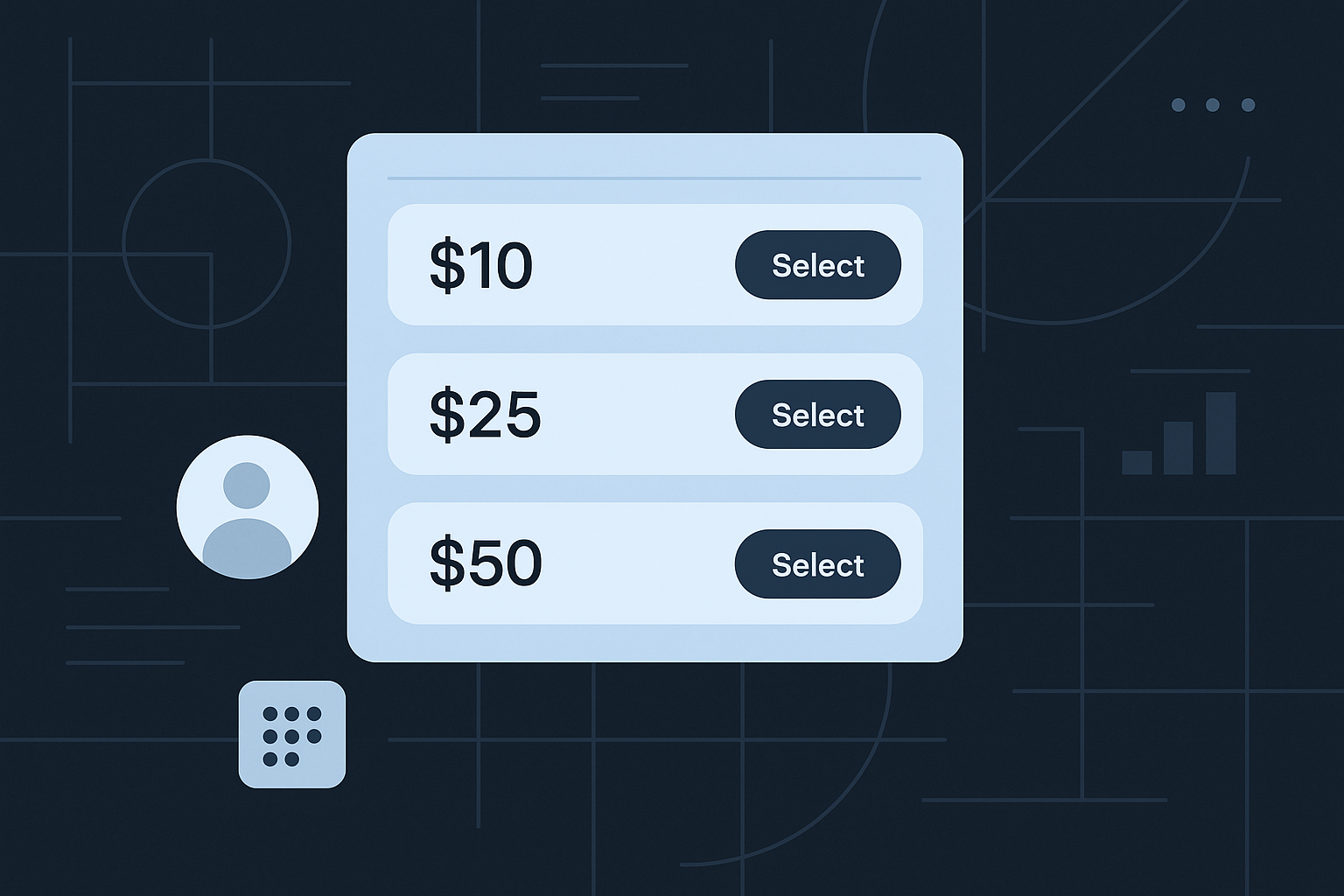
Setting the right pricing strategy for your SaaS product is crucial, especially when it comes to attracting your first customers. In this post, we’ll explore practical approaches to SaaS pricing, focusing on simple tiers that resonate with early adopters.
Understanding SaaS Pricing
SaaS pricing isn’t just about numbers; it’s about creating value for your users. When you're starting out, it’s important to keep your pricing strategy straightforward. Here are some key considerations:
- Value Proposition: Understand what value your product brings to the table. This will help you price it effectively.
- Market Research: Look at competitors but don’t get trapped in their pricing models. Understand how your solution differs.
- Cost Structure: Know your costs to ensure that your pricing covers expenses and allows for growth.
Why Simple Pricing Tiers Matter
Simplicity in pricing can lead to better customer acquisition. When customers understand what they’re paying for, they are more likely to commit. Here’s why simple pricing tiers are essential:
- Reduces Decision Fatigue: Too many options can confuse potential customers. A few well-defined tiers help clarify choices.
- Clear Communication: Simple tiers make it easier to communicate the benefits of each plan.
- Easier Upselling: With clear tiers, customers can easily see the benefits of moving up to a higher plan.
Crafting Your Pricing Tiers
When creating your pricing tiers, consider the following:
1. Identify Core Features
Break down your product into essential features that will appeal to your early customers. For instance:
- Basic Tier: Essential features that solve a specific problem.
- Pro Tier: Additional functionalities that enhance user experience.
- Enterprise Tier: Custom solutions for larger organizations.
2. Price Point Considerations
Pricing should reflect the value provided at each tier. Here’s how to approach it:
- Cost-Plus Pricing: Calculate your costs and add a markup.
- Value-Based Pricing: Set prices based on the perceived value to the customer.
- Competitive Pricing: Look at competitors but adjust based on your unique selling proposition.
3. Testing and Iteration
Don’t settle on your first pricing model. Collect feedback from your initial customers and be prepared to iterate. Here’s a checklist to guide you:
- [ ] Conduct surveys to gauge customer satisfaction.
- [ ] Monitor customer behavior and churn rates.
- [ ] Stay flexible and open to adjustments.
Implementing Your Pricing Strategy
Once you’ve established your pricing tiers, it's time to implement them effectively:
Marketing Your Pricing
- Landing Page: Create a dedicated landing page that clearly outlines your pricing tiers and features. Use visuals to illustrate the differences.
- Calls to Action: Make it easy for potential customers to sign up. Use clear, compelling CTAs.
- Trial Offers: Consider offering a free trial or a money-back guarantee to reduce the risk for first-time customers.
Tracking Success
Set KPIs to measure the success of your pricing strategy:
- Customer Acquisition Cost (CAC)
- Monthly Recurring Revenue (MRR)
- Customer Lifetime Value (CLV)
Conclusion
Choosing the right pricing strategy for your SaaS product can make all the difference. Focus on simplicity and clarity to attract your first customers. Remember, your pricing tiers should evolve alongside your product and customer needs. For more insights on software tools and SaaS development, check out the LookManLook blog and explore Field for additional resources.
By keeping your pricing straightforward and value-driven, you’ll set a solid foundation for your SaaS journey.
Related
- Choosing Mobile Field Management Software for Your Team's Needs
Explore how mobile field management software can enhance efficiency for teams working outside the office. Discover key features and best practices.
- Choosing Field Service Software for QuickBooks: A Practical Guide
Explore the best field service software for QuickBooks, enhancing your business operations with seamless integration and essential features.
- Choosing the Right Field Service Mobile Software for Your Team
Discover how to choose the best field service mobile software for your team. Explore key features and popular tools to enhance operational efficiency.